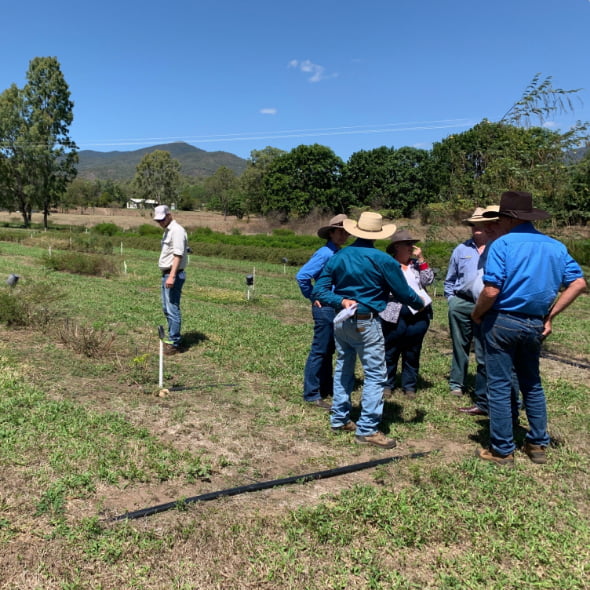
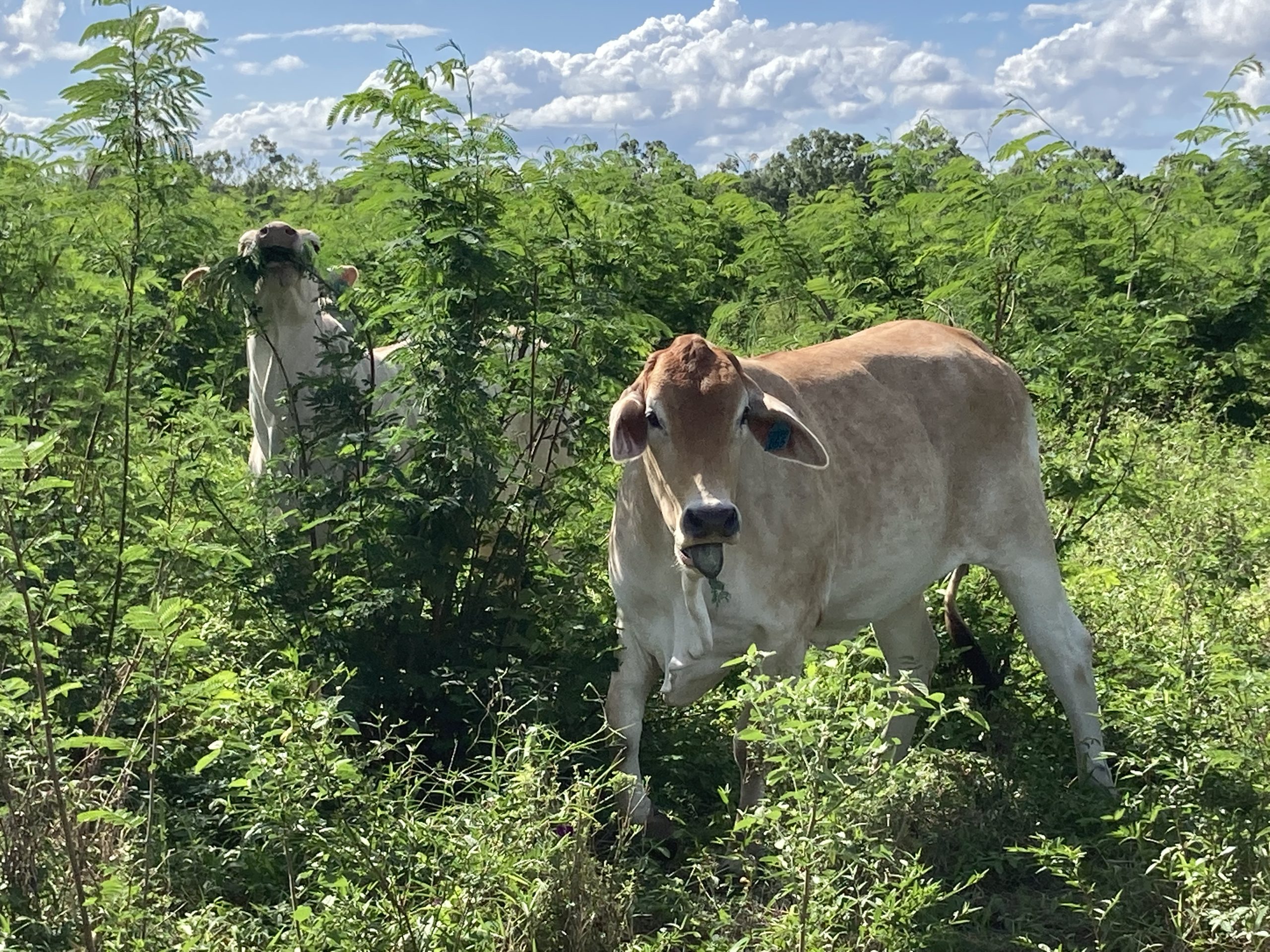
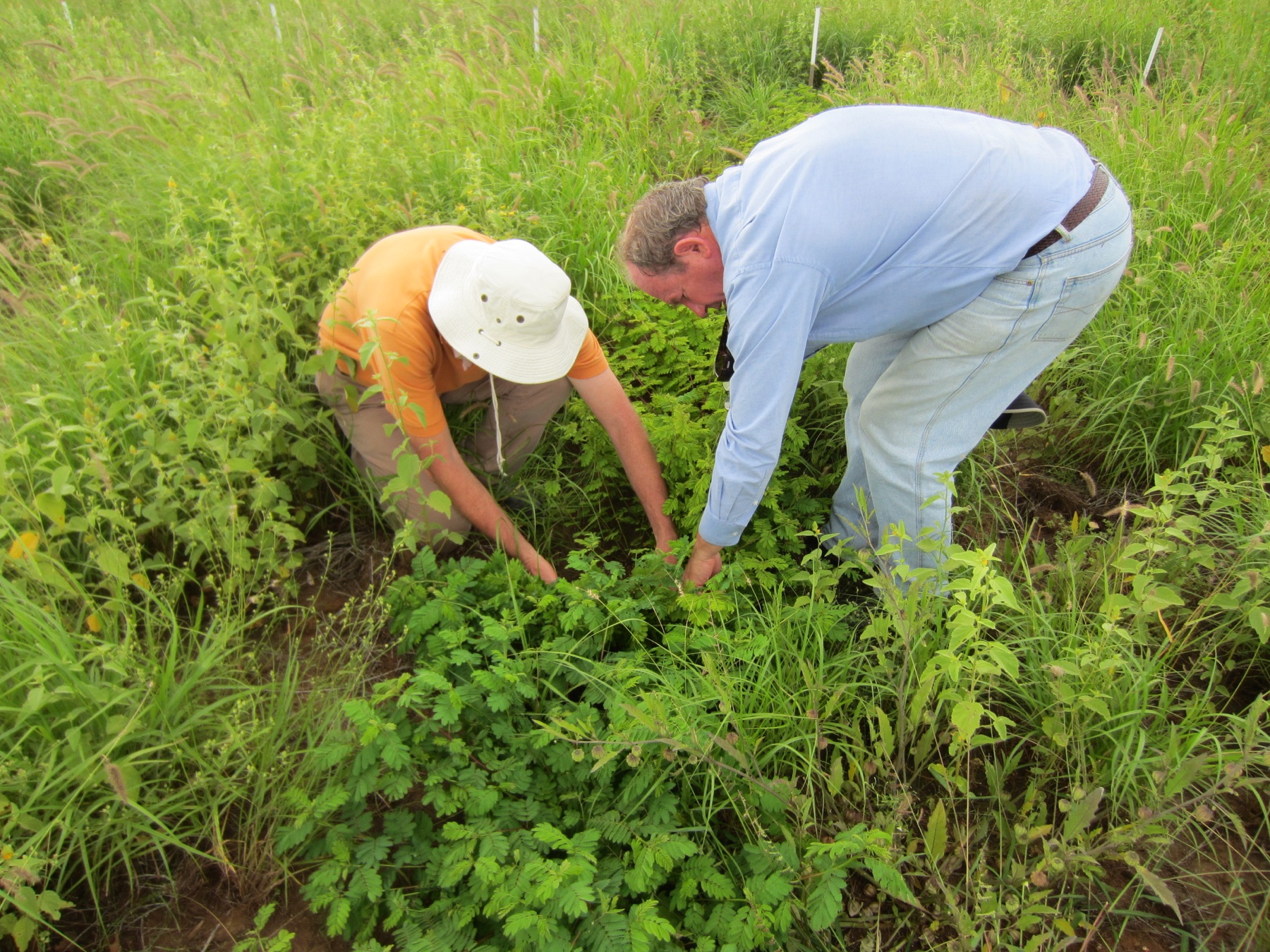
Since 2008, Agrimix has worked with producers and research partners to test practical questions in the paddock and turn the results into better grazing decisions.
Pastures. Livestock. Carbon. A connected research program built around real grazing systems.
On this page
What we’re working on
Research in action.
Building on published studies and testing the next applications in commercial grazing systems.
Agrimix Flux · ongoing development
A clearer picture of pasture and soil carbon.
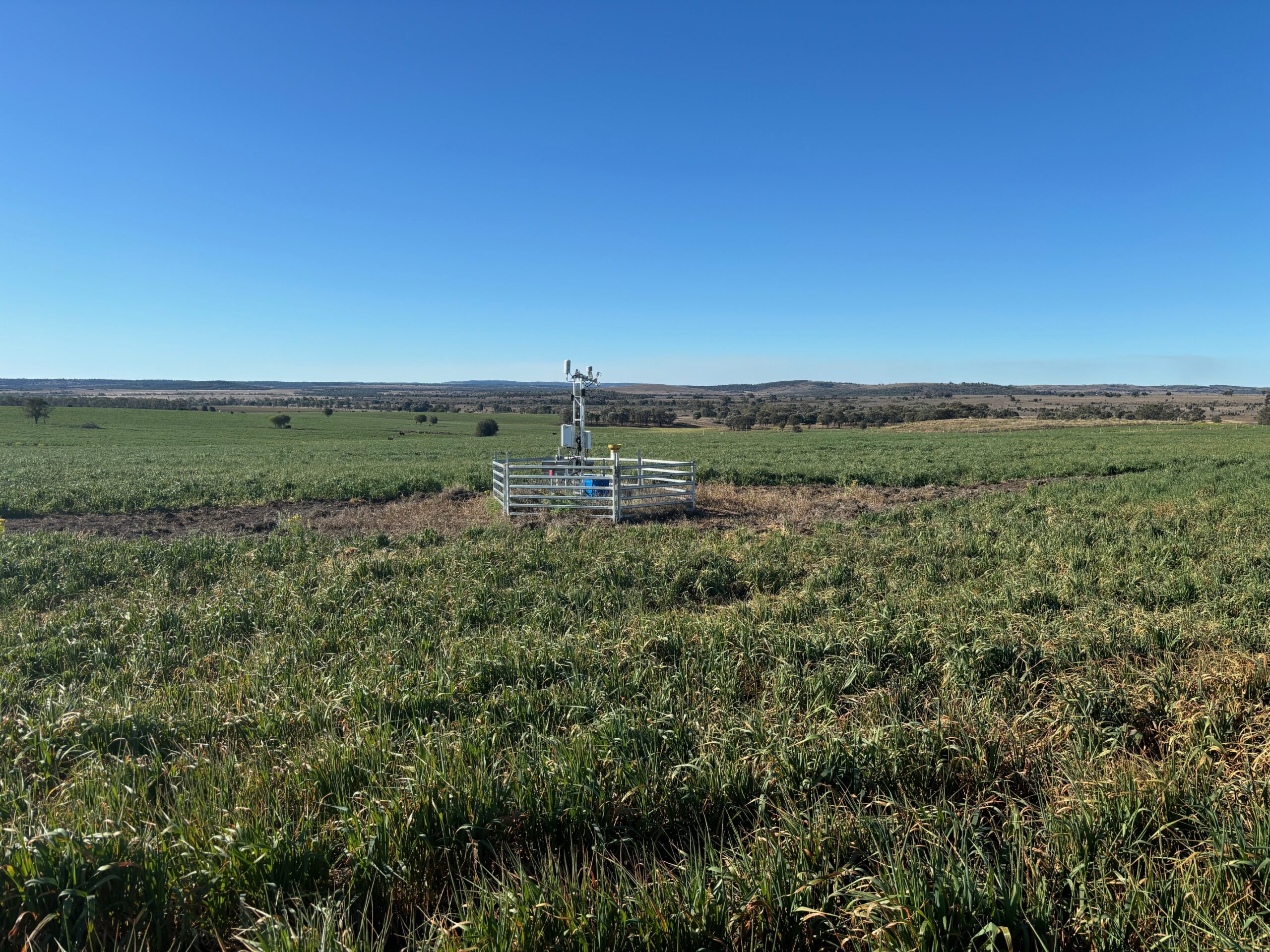
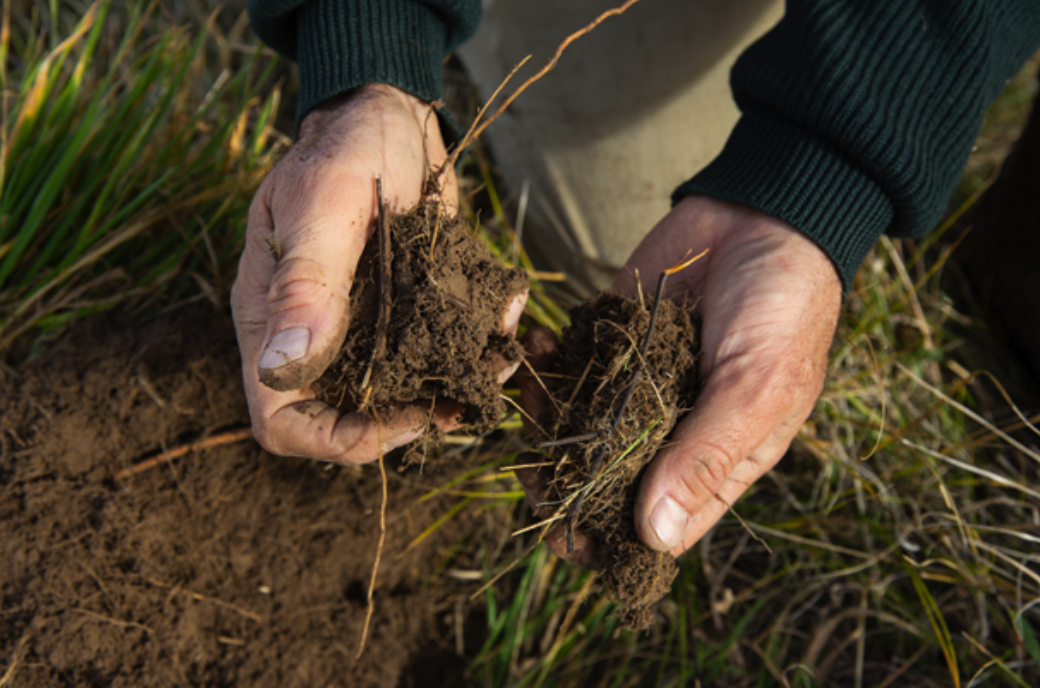
Agrimix Flux brings together field measurements, farm data and the DayCent-CABBI ecosystem model through a Measure, Model, Verify approach. Developed with QUT and research partners, it helps connect pasture and grazing management with modelled pasture productivity and carbon change. The dedicated research page explains the method, published evidence and where it has been tested.
Published model testing focuses on subtropical grasslands in north-east Australia. Further work is extending the approach to other grazing systems.
An Australian Wool Innovation-funded project is testing how on-farm carbon measurements, Agrimix Flux modelling and whole-farm emissions accounting can work together in a commercial wool enterprise. The project will demonstrate how verified carbon removals can be incorporated into farm-level emissions accounts in a transparent, auditable way that meets the evidence needs of wool supply chains and supports assurance under emerging climate reporting requirements, including Australian Accounting Standard AASB S2.
A two-year project scheduled to conclude in early 2028. The work is testing a pathway for use across similar wool-growing properties.
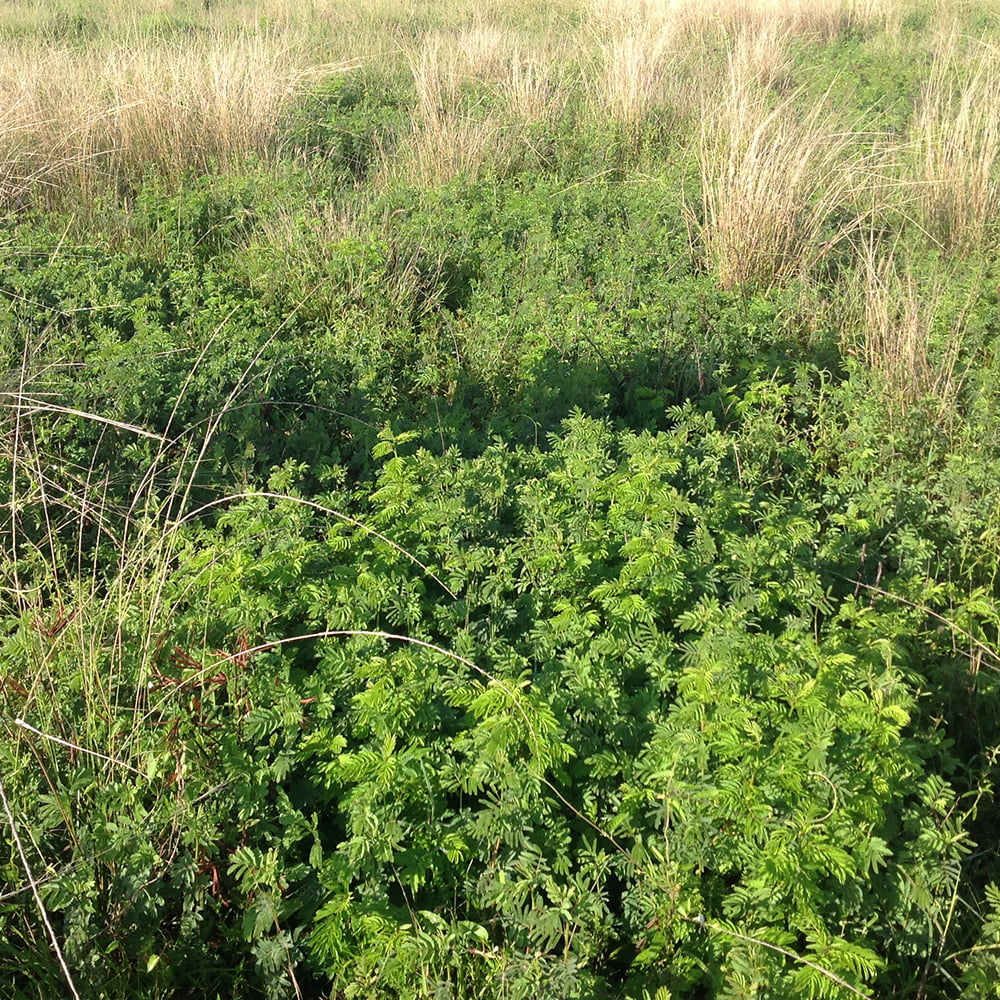
The CRC-P program brought producers and researchers together to investigate new pasture legumes, establishment methods and livestock productivity across northern Australia.
Plot, grazing, feeding and soil trials examined how pasture legumes could fit northern grazing businesses.
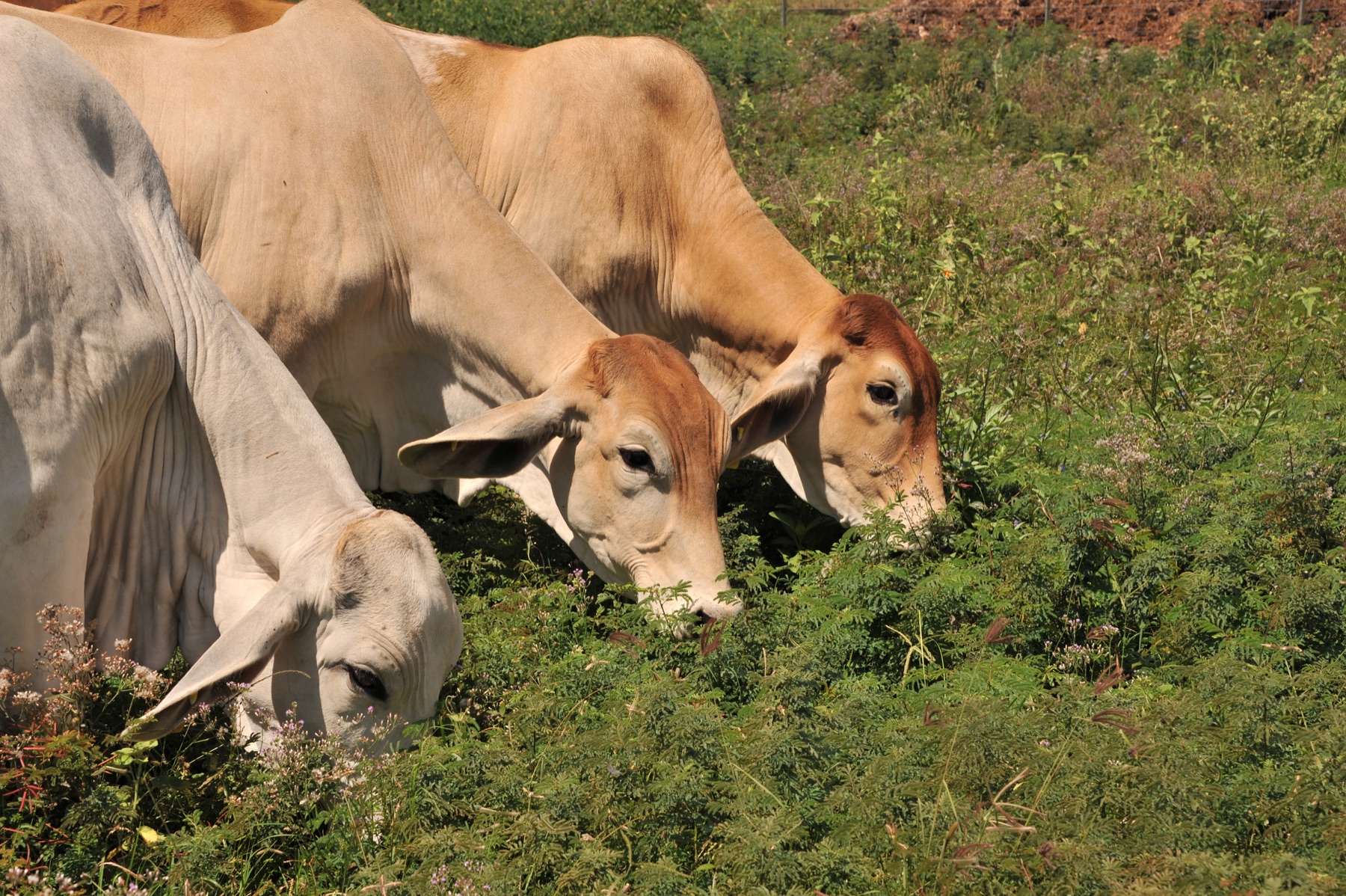
Earlier JCU work examined how Desmanthus feed and mixed pastures relate to animal growth, including a goat feeding trial and a steer liveweight comparison.
The studies use different animals, diets and trial designs. Each report explains the conditions behind its findings.
Researchers assessed Desmanthus cultivars as a potential conserved feed source for northern cattle businesses, examining fermentation characteristics and feed quality.
This was an exploratory assessment. Further testing was recommended before broader conclusions about feed performance.
Amben, Gardiner & Walker (2022) · conference paper
Each source is labelled by study type so you can distinguish commercial grazing trials, controlled feeding work, laboratory studies and modelling.
People & partnerships
Good research is a team effort.
Agrimix brings producer questions into the research program and backs the work needed to turn ideas into practical applications. We combine pasture and agronomic expertise, commercial experience and strong producer connections to keep the research grounded in real grazing systems.
Agrimix has partnered with some of Australia’s leading research institutions and industry organisations to deliver research that puts producers and practical on-farm outcomes first.
From research to the paddock
See it on farm.
Producer experiences show how pasture decisions play out in practice. These stories sit alongside the research as on-farm perspectives.
Hughenden, Queensland
Pasture persistence at Peronne Station.
A producer story about establishing and managing Progardes in a challenging environment.
Have a pasture, livestock or soil carbon research project?
Work with a team experienced in pasture establishment, forage evaluation, livestock performance, methane research and soil carbon measurement and modelling. Let’s discuss where Agrimix could contribute to your project.